A shelf of sacred books can look like an invitation and a responsibility at the same time. Where should a new reader begin? Which books provide a foundation, and which ask for a longer commitment? This Vedic scriptures reading guide offers a practical route through works important to Gaudiya Vaishnava study.
The term “Vedic literature” is often used broadly in devotional conversation. The works below belong to different literary forms and should not all be described as one kind of text. Their relationship within a reading life matters more than arranging them by the size of their bindings.
Start with a clear foundation
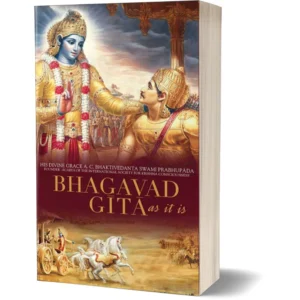
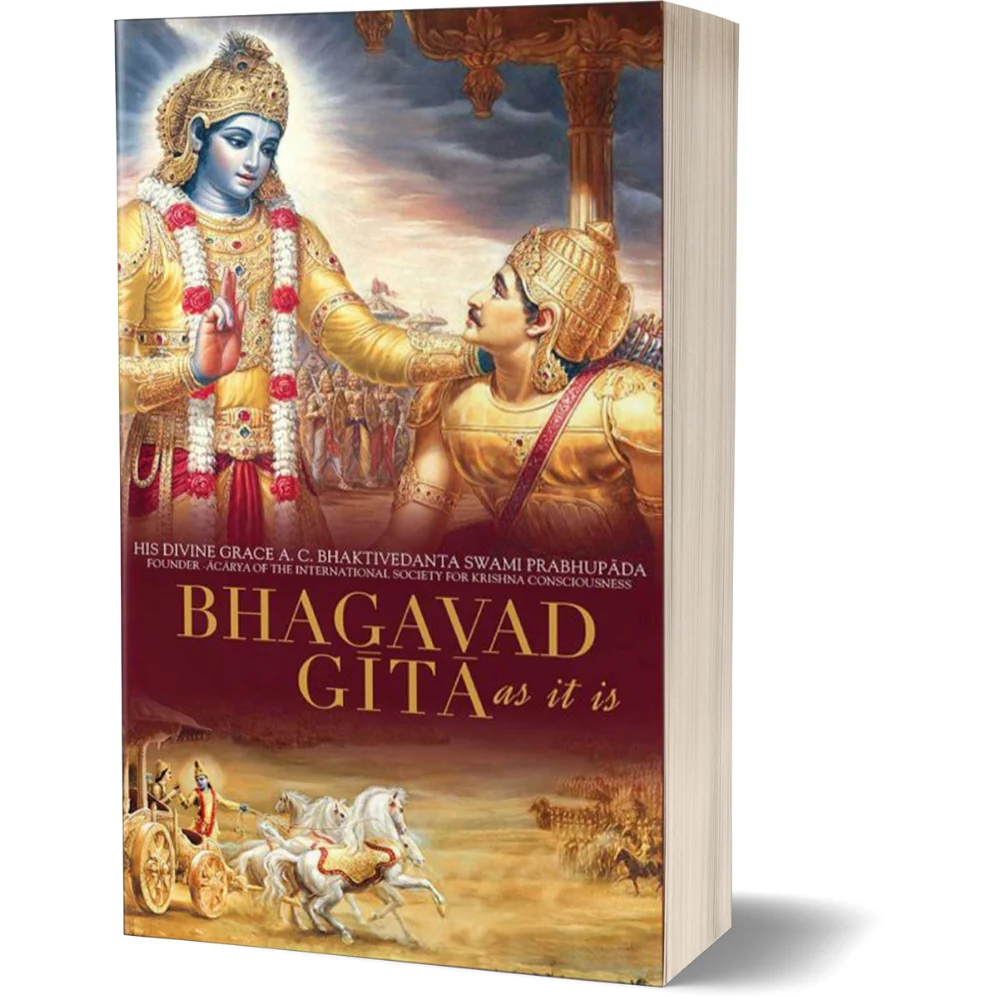
Bhagavad Gita As It Is gives a sustained conversation between Krishna and Arjuna, with Srila Prabhupada’s commentary. Begin here if you want a foundation for terms and questions that recur in later study. The Gita beginner’s hub provides a practical introduction.
Sri Isopanishad offers a shorter scriptural work with a different form. Our Isopanishad reading guide explains how to approach its compact mantras without assuming that a small volume requires little attention.
Continue into Srimad Bhagavatam
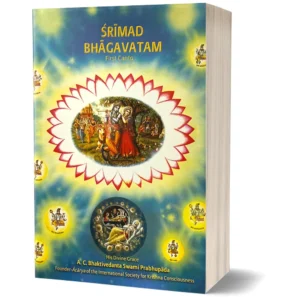
Srimad Bhagavatam, First Canto is a practical starting point for readers considering this larger work. Read its framing conversations rather than skipping directly to a familiar story. The First Canto guide suggests a manageable approach.
For an established reader, the 18-volume set may support sustained study. Check the language and edition details before committing to a set. The number of books on a shelf is not the same thing as the steadiness of study.
Understand how the works relate
The Gita and Bhagavatam comparison explains their different reading experiences. It helps you choose a next book without presenting the works as rivals.
For orientation, Bhagavatam 1.2.6 places loving devotion at the centre of spiritual life. Follow such a passage into its surrounding discussion. A reading pathway should lead you into the text, rather than replace it with a summary.
Approach Chaitanya Charitamrta with preparation
Sri Chaitanya Charitamrta introduces an extensive devotional account of Sri Chaitanya Mahaprabhu and His teachings. A newcomer can first use the Sri Chaitanya reading guide to become familiar with names and themes.
Books can be read with the support of a qualified teacher or an established class. Note where a passage presumes knowledge you do not yet have, and ask for help with that point. There is little value in concealing confusion behind unfamiliar vocabulary.
Build a collection at the pace of your reading
Our guide to building a devotional library helps you choose editions and plan a collection. Start with a clear reading purpose, suitable language, and a realistic place to keep the books.
A sacred text is given a living place when it is opened, heard, and considered. Let your next purchase serve that purpose.
Choose scripture editions in Sri Lanka
Browse the Vedic scriptures collection for the works discussed here. If you prefer Tamil, use our Tamil spiritual reading guide to choose a starting point and confirm the language on each product page.
Explore this topic
Bhagavad Gita and Srimad Bhagavatam: What Is the Difference?
Understand how the Bhagavad Gita and Srimad Bhagavatam differ in form and reading experience, and choose a suitable next step.
Sri Isopanishad for Beginners: Reading a Short Scripture Carefully
Begin reading Sri Isopanishad with attention to its mantras, commentary and devotional perspective, plus edition guidance for new readers.
Starting Srimad Bhagavatam: A First Canto Reading Guide
Begin Srimad Bhagavatam with a thoughtful First Canto reading routine, a notebook for questions and guidance on choosing your edition.
How to Build a Devotional Library You Will Actually Read
Plan a devotional library around your reading language, study routine and real questions, from a first Gita to larger scripture collections.
Explore all seven spiritual reading guides, or browse the book catalogue when you are ready to choose your next title.