A person may first encounter yoga through a class, a book, or a question about the mind. That first contact can lead toward a wider inquiry: What is the purpose of yoga, and what does it mean to understand the self? The books gathered here approach those questions through Gaudiya Vaishnava teaching.
This guide to yoga philosophy books in Sri Lanka focuses on spiritual study and devotional practice. It helps you choose a reading pathway from the YogaBooks catalogue, with enough context to distinguish a philosophical work from a manual of physical postures.
Ask what a yoga book is teaching
A book may use the word “yoga” while concentrating on a very different subject from another yoga title. Look at the author, tradition, description, and contents where available. Choose according to the question you actually want to explore.
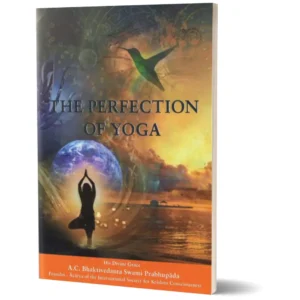
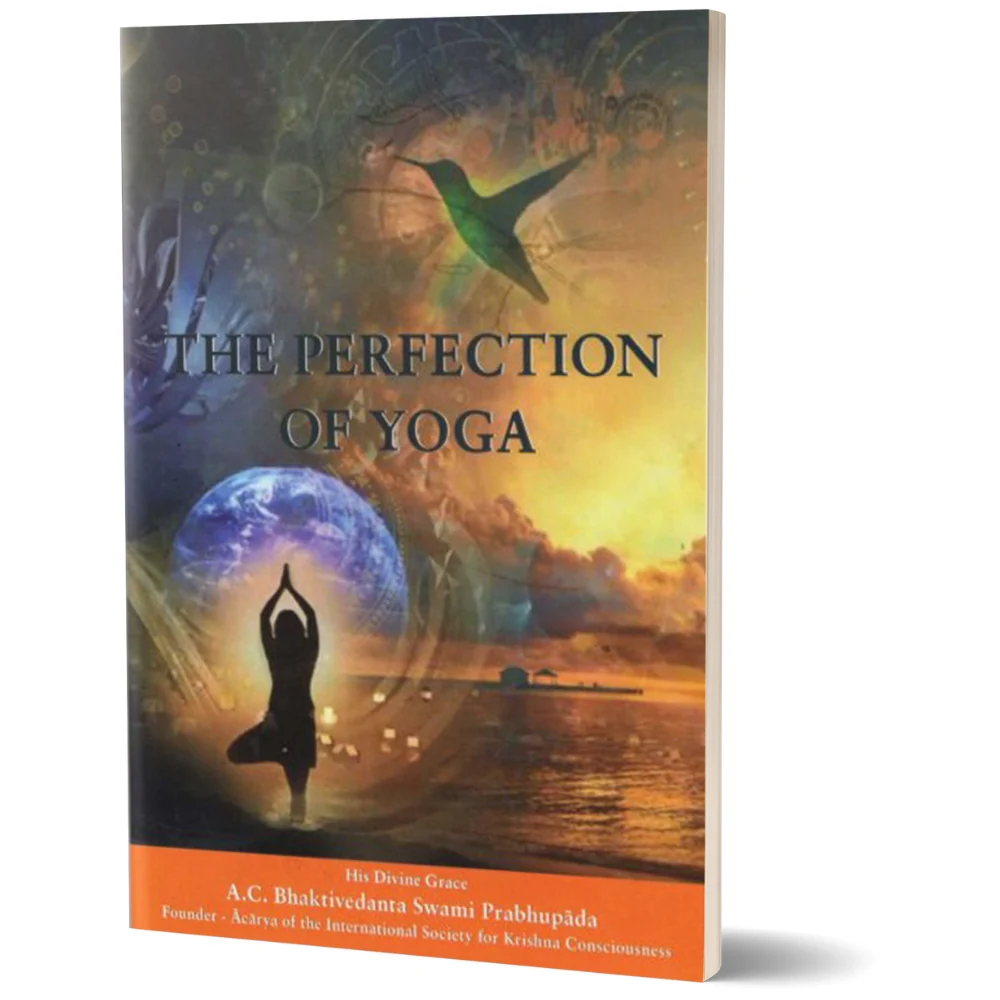
Perfection of Yoga and The Top Most Yoga System are relevant introductory titles for this devotional perspective. Our guide to yoga beyond physical postures helps you identify the difference in emphasis.
Keep the devotional destination visible
Bhagavad Gita 6.47 places faithful devotion to Krishna at the culmination of yoga. That passage is important to the way Gaudiya Vaishnavas read yoga philosophy. Read it within the chapter rather than assuming that every author using the word yoga shares the same account.
The bhakti yoga guide introduces the personal direction of devotion. It provides useful context when a yoga book begins discussing hearing, chanting, and service.
Study the mind without promising instant mastery
A restless mind is a familiar difficulty for readers and practitioners. The mind and attention guide suggests a way to read the Gita’s teaching while keeping expectations modest. Path of Perfection is a related title to explore.
You can begin by giving one passage your attention and returning to it when distracted. Let a modest practice become dependable before making an elaborate schedule.
Make space for a steady routine
Read our guide to a balanced devotional routine for a practical beginning. It takes ordinary responsibilities seriously. The purpose of a routine is to support attention, reading, and service in a life that already has demands.
Notice whether your plan is helping you become more reliable. If it repeatedly produces exhaustion or neglected commitments, reconsider it with appropriate guidance.
Approach self-realization as a serious subject
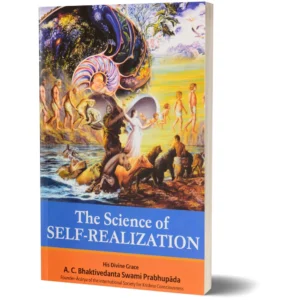
The Science of Self-Realization is a relevant catalogue title for further study. Our guide to self-realization and spiritual identity introduces questions a newcomer can take into that reading.
Keep a place for inquiry and for hearing from qualified teachers. A book can give you language for a question; understanding also calls for patient study. If you would like a broader scriptural foundation, continue to the Bhagavad Gita beginner’s hub.
Find a yoga philosophy book in your language
Explore yoga and meditation books at YogaBooks Sri Lanka. Our Sinhala reading guide and Tamil reading guide can help you choose a language and a manageable starting point.
Explore this topic
Yoga Beyond Physical Postures: Choosing a Philosophy Book
Choose a yoga philosophy book by understanding its purpose, devotional tradition and reading style before beginning your study.
The Restless Mind in the Bhagavad Gita: Reading about Attention
Read the Bhagavad Gita’s teaching on a restless mind with a practical approach to attention, patient study and devotional reading.
A Balanced Devotional Routine for Reading, Chanting and Daily Duties
Begin a balanced devotional routine with manageable reading, attentive chanting and proper care for daily responsibilities.
Self-Realization in Gaudiya Vaishnava Reading: Where to Begin
Begin exploring self-realization through Gaudiya Vaishnava books, with clear questions about spiritual identity, relationship and devotional study.
Explore all seven spiritual reading guides, or browse the book catalogue when you are ready to choose your next title.