A devotional library begins to serve its purpose when a book is easy to find and regularly opened. A large collection can be useful, but its size does not tell you whether it fits the reader’s present life.
Give the first shelf a clear purpose
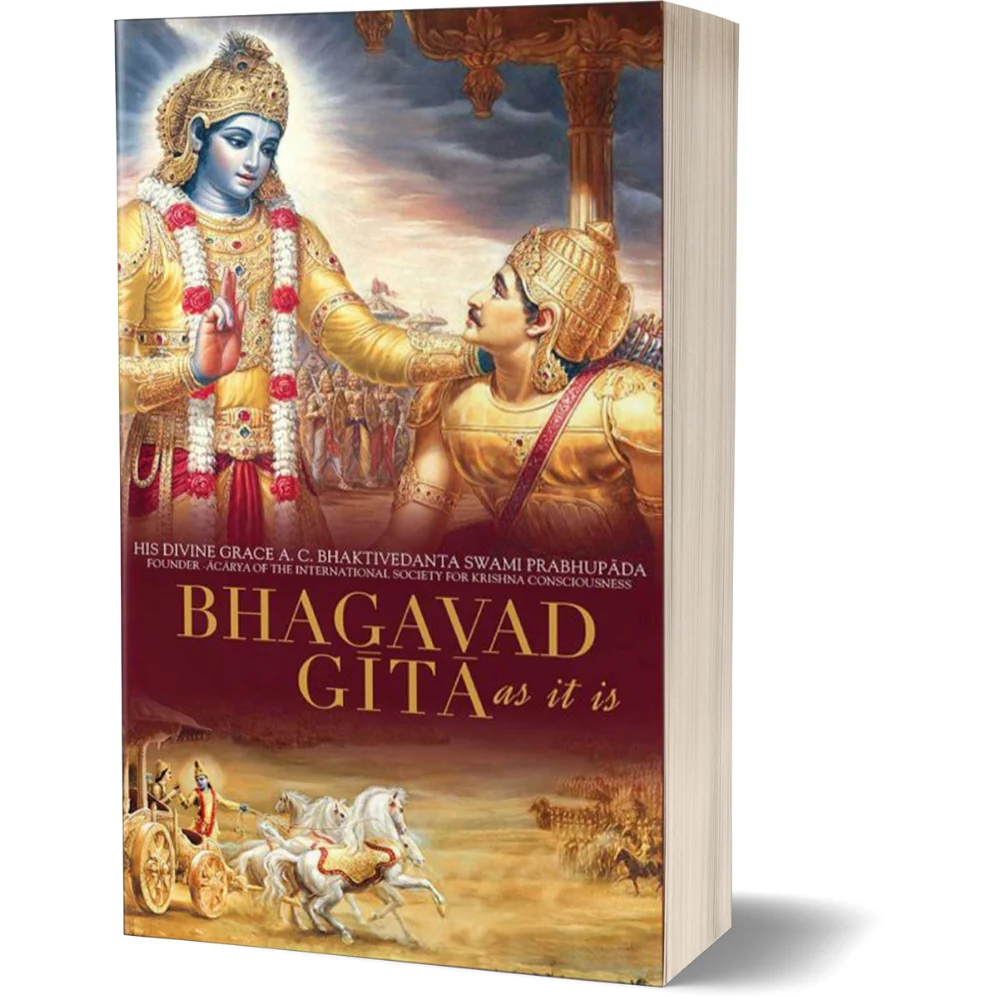
Choose a foundational scripture, a work for reflection on practice, and a place for notes. For some readers, that may mean Bhagavad Gita As It Is and Nectar of Instruction. Others may begin with an introductory title and add scripture later.
Before buying another book, write down the question it is intended to help you study. A clear question prevents a reading list from becoming a collection of good intentions.
Choose language and format deliberately
Consider everyone who will use the books. A family collection may need more than one reading language. Check each title’s specific options rather than assuming the same languages are available across the catalogue.
Legibility, binding, portability, and available space are practical concerns. Ask for edition details when something matters to you and is absent from the product description. Avoid treating different printings as identical simply because their titles match.
Expand in response to a real reading habit
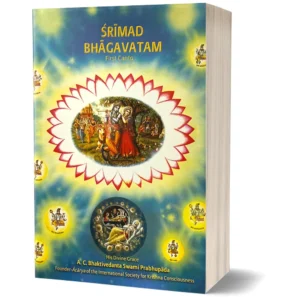
A reader moving into longer study may add the First Canto of Srimad Bhagavatam. Someone ready for an extensive collection can review the Ultimate Self-Realization Mega Bundle, checking its listed contents and the language of each included work.
Leave a small place for the book you are currently studying. Keep a bookmark and notebook there. A volume hidden behind other objects is less likely to become part of the day.
Care for shared books
Store books away from damp, direct splashes, and prolonged strong sunlight. If you lend a volume, keep a simple record and agree on its return. Use separate notes when several people share a copy, so that one person’s annotations do not make it harder for another to read.
Browse the book bundles guide when considering a collection. The scripture hub helps place each work within a wider course of reading.
Continue your reading
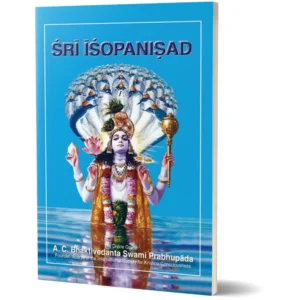
See the Vedic Scriptures: A Gaudiya Vaishnava Guide to What to Read for the full pathway. Related guides: Bhagavad Gita and Srimad Bhagavatam: What Is the Difference?; Sri Isopanishad for Beginners: Reading a Short Scripture Carefully.